
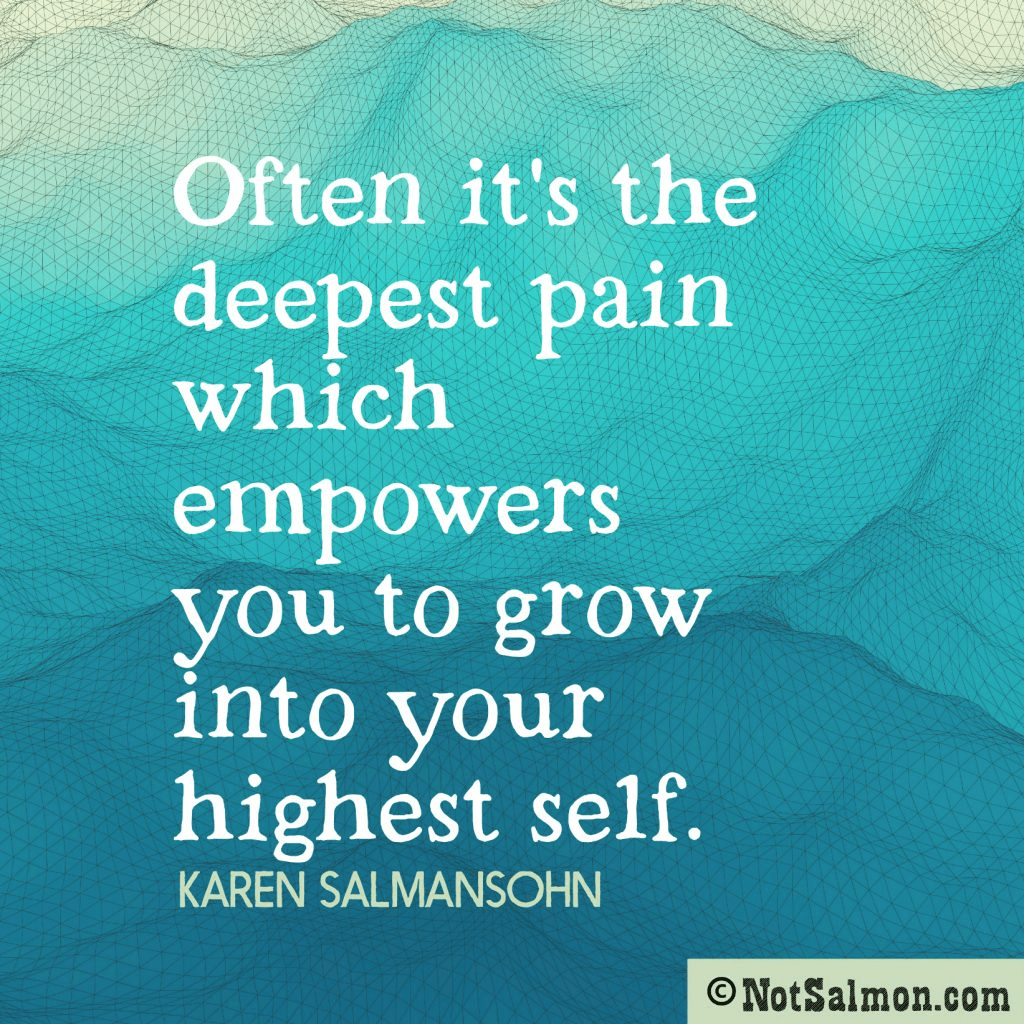
Life often deals us a variety of challenges—some visible, like physical injuries, and others hidden deep within, like emotional and psychological wounds. While the scars on our bodies may heal with time, internal wounds, those unseen injuries of the mind and heart, can linger on. These wounds can stem from experiences like loss, trauma, betrayal, or any profound emotional upheaval that leaves a mark on our psyche. Unlike a broken bone or a scraped knee, these wounds are often overlooked by others, yet they shape our thoughts, actions, and feelings every day.

But how do we confront these wounds? What should we do when we find ourselves struggling with pain that no one else can see?
1. Acknowledge the Pain
The first and most crucial step is acknowledgment. It might seem easier to bury these feelings under a façade of strength or busyness, but ignoring them only allows the pain to fester. Pretending that everything is fine might keep the outside world content, but it leaves the inner self crying out for attention. To heal, one must face the pain head-on. Acknowledging the existence of internal wounds is not a sign of weakness; it is a brave step towards self-awareness and growth.
2. Understand the Source
Digging deeper into the roots of our pain can be a daunting task. It requires introspection and sometimes even revisiting painful memories. Understanding why we feel a certain way, what triggered the hurt, and how it has affected our thoughts and behaviors is crucial. This process isn’t about assigning blame to others or ourselves; it’s about understanding the story behind our scars. Once we can identify the source, we begin to understand the patterns of thought that have held us back.
3. Learn to Let Go
Holding onto pain is like gripping a thorn—it only hurts us more. Learning to let go of grudges, regrets, and guilt is one of the most challenging aspects of healing. It requires accepting that we cannot change the past, but we can change how it impacts our future. Letting go doesn’t mean forgetting or diminishing our experiences; it means making peace with them. It means acknowledging that we deserve to move forward, not as a victim of our past but as a survivor who is building a new path.
4. Reach Out for Support
One of the most isolating aspects of internal wounds is the belief that no one else could understand our pain. But the truth is, many people around us carry their own invisible burdens. Reaching out to friends, family, or even professionals can be a lifeline. It is okay to ask for help. Talking to someone about what we’re going through can provide a new perspective and help lighten the load. We may find that, in sharing our struggles, we help others open up about their own wounds too, creating a circle of mutual support.
5. Practice Self-Compassion
We often offer empathy to others, yet forget to extend the same kindness to ourselves. Self-compassion means treating yourself with the same understanding and patience that you would offer a close friend going through a hard time. It means forgiving yourself for mistakes, being patient with your healing process, and understanding that you are human. There is no set timeline for healing—some days will be easier than others, and setbacks are a part of the journey. What matters is the willingness to keep trying.
6. Transform the Pain into Strength
Internal wounds can leave us feeling powerless, but they can also be a source of immense strength. The process of facing our inner struggles can teach us resilience, empathy, and a deeper understanding of ourselves. Every wound, no matter how deep, carries the potential to reshape us into a stronger, more compassionate version of ourselves. Turning pain into purpose can be a powerful tool—using our experiences to help others, advocate for those who suffer in silence, or simply to be a kinder presence in the world.
7. Create New Narratives
We have the power to redefine our stories. Instead of seeing ourselves as broken or burdened, we can choose to view ourselves as survivors, as individuals who have faced challenges and continue to move forward. Creating new narratives means taking control of our self-talk—replacing words of defeat with those of hope and strength. It is not about denying the pain, but about seeing it as a chapter in a story that is still unfolding. We have the power to write the next pages with hope, growth, and resilience.
A Call to Reflection
In a world that often emphasizes the visible and tangible, it’s easy to overlook the battles being fought within. This article isn’t just about identifying the wounds we carry; it’s an invitation to reflect on how we can move towards healing. It’s a reminder that we are not alone in our struggles, and that every step we take towards understanding and accepting our inner selves brings us closer to peace.
????? So, what can you do today? Maybe it’s starting a journal, calling a friend, or simply allowing yourself a moment of vulnerability. It might be the first step towards releasing a burden you’ve carried for too long. Remember, healing is a journey, not a destination, and every small step is a victory worth celebrating.
##### Let us remember that our wounds do not define us—they are a part of us but not all of us. And in facing them, we find the strength to create a life that honours the fullness of who we are, scars and all. #####
@nandasagec MANISHA NANDAN
HAPPY READING
Share and subscribe if you like my post and want to read more new stuff.
 LIVE BY CHOICE NOT BY CHANCE!!!!
Leave a comment