
Guys … I got an opportunity to visit this place with my family and trust me this place made me fall for it. The environment was so serene and wonderful to watch.
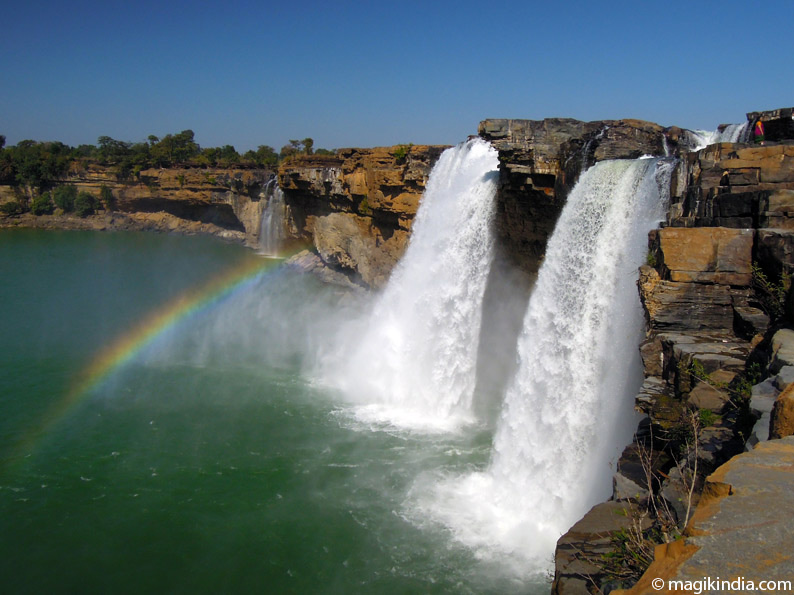
The Chitrakote Falls is a natural waterfall on the Indravati River, located approximately 38 kilometres to the west of Jagdalpur, in Bastar district in the Indian state of Chhattisgarh. The height of the falls is about 29 metres. It is the widest waterfall in India, reaching a width of nearly 300 metres during the monsoon season. Because of its width and widespread horseshoe shape during the monsoon season, it is often called the “Niagara Falls of India”.The speciality of this waterfall is that during rainy days, this water is reddish, and it looks absolutely white during the summer moonlight night. A large water body falling in the middle of the strong trees and Vindhya ranges, which fall from this waterfall, attracts tourists’ attention.

The waterfall is visible in every season, but seeing it in the rainy season is a more exciting experience. The roar of huge water from the height of the rain creates thrills and shudders. The beauty of these springs in the rainy season is very high.
A dense forest surrounds the picturesque waterfalls. , Which further enhances its natural beauty. This place has been enlightened with full illumination in the river. The beauty of the falling water from the waterfall can be seen with the tourist light. At least three and a maximum of seven streams fall from this waterfall on different occasions.A series of steps from the garden of the hotel leads to the falls. “Chitrakote log huts” with basic and modern cabins have also been built at the location. Some of the cabins provide good views of the falls.
Geology of the fall
The geological formation of the Indravati River valley as it rises and flows downstream consists of quartzitic sandstone and changes to the Archaean granite and gneisses near the Chitrakote Falls. It is one of the six waterfalls in India classified as “geomorphosites” (geoheritage sites with geomorphological interest); this classification is based on research studies of geological features of heritage value existing in different parts of the country. These have been studied and discussed in seminars by geologists, and studies have received the support of international institutions such as the United Nations Educational, Scientific and Cultural Organization (UNESCO), the International Union for Conservation of Nature (IUCN), the International Union of Geological Sciences (IUGS), and the International Association of Geomorphologists
BEAUTY OF FALL
Local boat facilities operating below and under the falls in a misty atmosphere provide views of the falls under an early morning sun in reflected sunlight and in a blue hue. On the banks of the pond below the falls, many small Shiva Lingas (aniconic symbols of the god Shiva) are found in several niches, as are iron trishuls (the trident weapon of Shiva), mostly in a rusted state. On the left bank, there is a rock ledge and climbing down this cliff leads to a naturally formed niche which houses stone slabs carved with deities. In addition, there is a small hut made of straw where Shiva images and rusted images of his son, the god Ganesha, are seen. Many local people are involved in fishing in the area.A series of steps from the garden of the hotel leads to the falls.
“Chitrakote log huts” with basic and modern cabins have also been built at the location. Some of the cabins provide good views of the falls.
The beauty of the falls can be seen throughout the year, particularly during sunset. As the fast-flowing water of the river flows over the sharp, near-vertical rock exposure at the widest reach of the river, it generates misty clouds and then hits in a pond formed in a semicircular shape at the bottom of the falls. Adventure sports enthusiasts use boats in the stormy part of this pond. Pilgrims bathe in the calmer part of the lake. In the low-flow season, paddle boats are used in pools forming upstream of falls. In the pool below the falls, swimming and paddle boats are permitted. Local boatmen can paddle their boats under the spray below the falls.

When we went down for the boating and when our boat was crossing the middle of the fall from where the water was falling we could see a RAINBOW which made all of us speechless as it looks so beautiful it can’t be expressed in words…….

How do I get there?
During the July-October period, it is appropriate for visitors to come here.
1. By Air
Bastar has its own Airport which is operated by State Government under UDAN Scheme. At present, the AIRODISHA has operating flights from Jagdalpur to Raipur and Jagdalpur to Vishakapatnam. The nearest airport accessible is in Raipur, approximately 300 km away from Bastar. Many Airplane operators operate regular flights from here connecting it to all the major cities. Prepaid taxis are easily available from the Raipur Airport to Jagdalpur.
2 . By Train
Jagdalpur a district headquarters of Bastar district, is well connected to the Vishakapatnam and Raipur by railways. Jagdalpur railway station is operated by East Coast Railway. This Railway line is the primary source of iron ore transport from NMDC Bacheli to Vishapakatnam. At present Vishakapatnam -Kirandul Passenger (58501), Durg -Jagdalpur Express (18211), Hawrah-Koraput Express (18005), Hirakhand Express (18448) and Vishakapatnam-Jagdalpur(Night Express) are operational from Jagdalpur. Shared taxis are available from Jagadalpur station to the falls.
3. By Road
Regular bus services, whether express or sleeper-based, ply to and fro from the city of Jagdalpur (Bastar). They operate daily, through a well-connected network of national highways such as NH 30. This place is located in South of Chhattisgarh, Main City is Jagdalpur, is 284 km, approx 5 hrs by Car.
a] Cab services b] Personal vechiles
Apart from this cab services are also available. One can also go by their personal vehicle

Other sightseeing of Chitrakoot which attracts a lot of tourists ————–
The top attractions to visit in Chitrakoot are:
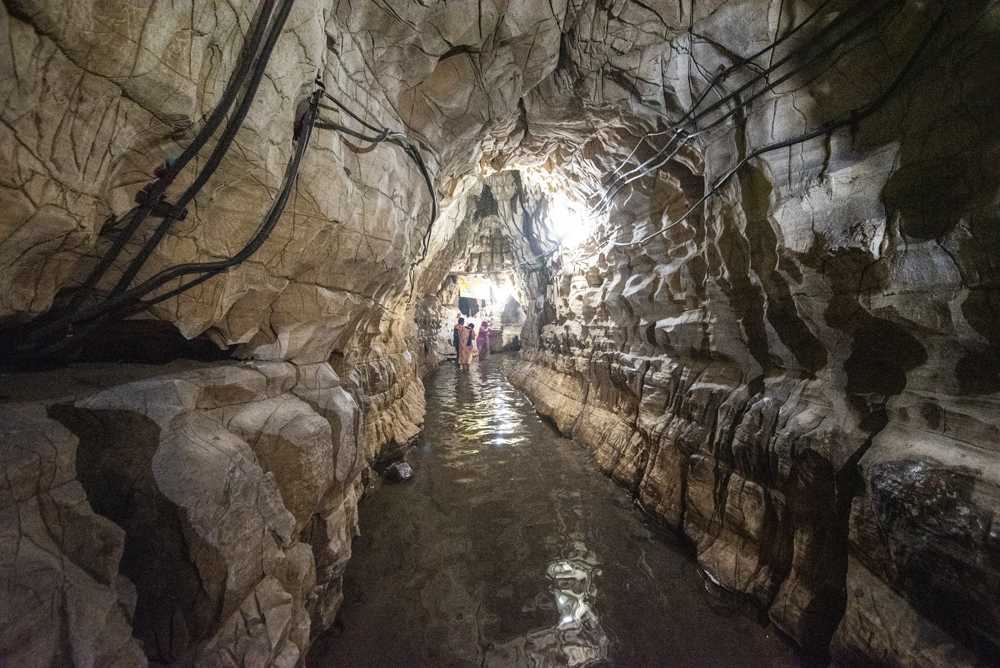
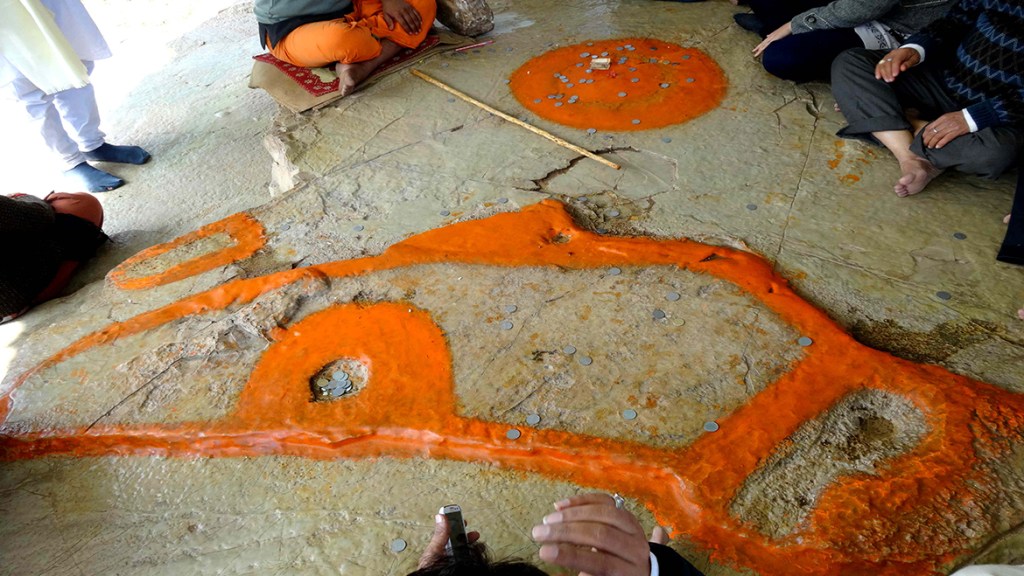
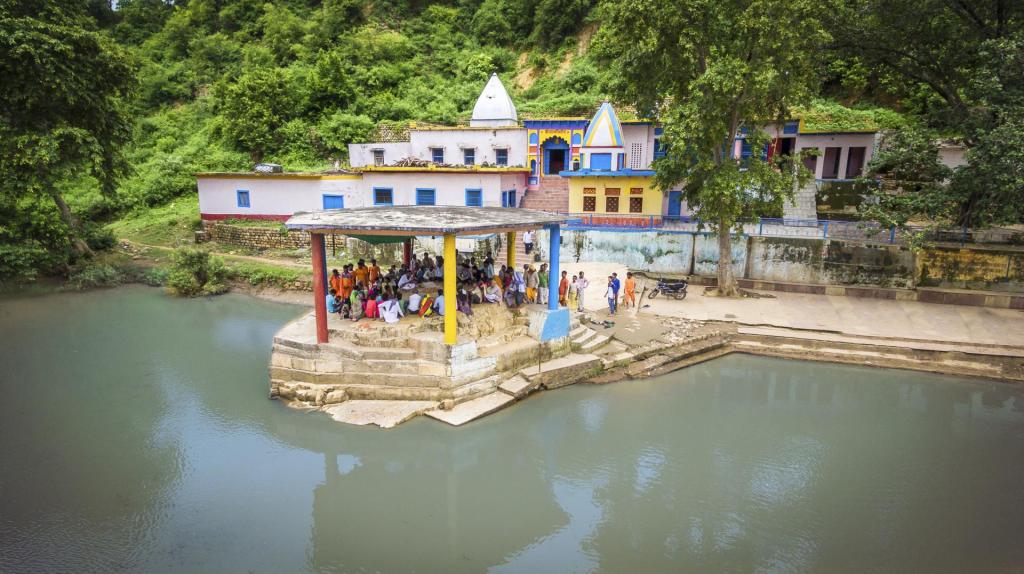
- Ram Ghat -This is a nice ghat on the bank of Mandakini river. Here rabbits are kept in boat to attract kid.



@manishanandan
 LIVE BY CHOICE NOT BY CHANCE!!!!
Leave a reply to rakeshme036 Cancel reply