
“Before shedding light on this topic..” it is necessary to understand what is GLOBAL WARMING and FOSSIL FUEL ??????……………..
……………. Global warming refers to the long-term increase in Earth’s average surface temperature, primarily due to human activities such as burning fossil fuels, deforestation, and industrial processes. This leads to the accumulation of greenhouse gases in the atmosphere, which trap heat and cause the planet’s temperature to rise. The consequences of global warming include climate change, such as more frequent and intense heat waves, extreme weather events, rising sea levels, and disruption of ecosystems.
Fossil fuel is a hydrocarbon-containing material such as coal, oil, and natural gas, formed naturally in the Earth’s crust from the remains of dead plants and animals that is extracted and burned as fuel.

Global warming from fossil fuels is a major concern due to the emission of greenhouse gases, primarily carbon dioxide (CO2), during their combustion. When fossil fuels such as coal, oil, and natural gas are burned for energy, they release CO2 and other greenhouse gases into the atmosphere. These gases trap heat, leading to the greenhouse effect, which causes the Earth’s temperature to rise.
Burning fossil fuels for electricity generation, transportation, industrial processes, and heating contributes significantly to global warming and climate change. As temperatures rise, it leads to various impacts such as:
- Melting ice caps and glaciers: This leads to rising sea levels, which can result in coastal flooding and loss of habitat for various species.
- Extreme weather events: Increased temperatures can lead to more frequent and severe heatwaves, storms, hurricanes, and droughts.
- Changes in ecosystems: Rising temperatures can disrupt ecosystems, leading to shifts in habitats, loss of biodiversity, and changes in plant and animal behaviour.
- Ocean acidification: The absorption of CO2 by the oceans leads to acidification, which can harm marine life, particularly organisms with calcium carbonate shells like coral reefs and shellfish.
- Impact on agriculture: Changes in temperature and precipitation patterns can affect crop yields and livestock production, leading to food insecurity in many regions.

HOW IT IS EFFECTING THE WORLD AT LARGE ???
The effects of global warming from fossil fuels are wide-ranging and have significant impacts on the world in various ways:
- Environmental Impact: Global warming disrupts ecosystems, leading to loss of biodiversity, shifts in habitats, and changes in wildlife behaviour. It also contributes to the melting of glaciers, rising sea levels, and increased frequency of extreme weather events such as hurricanes, heat waves, droughts, and floods.
- Economic Impact: The economic consequences of global warming include damage to infrastructure from extreme weather events, loss of agricultural productivity, increased healthcare costs due to heat-related illnesses, and the displacement of communities due to rising sea levels. These impacts can strain economies, particularly in vulnerable regions.
- Social Impact: Global warming exacerbates social inequalities by disproportionately affecting marginalized communities who are often less equipped to adapt to its impacts. Displacement due to climate-related events can lead to social unrest and conflicts over resources such as water and land. Moreover, the effects of global warming can undermine food security and exacerbate poverty in many regions.
- Health Impact: Rising temperatures can worsen air quality, leading to an increase in respiratory illnesses such as asthma and other cardiovascular diseases. Heatwaves can also directly cause heatstroke and dehydration, particularly in vulnerable populations such as the elderly and children. Additionally, changes in precipitation patterns can affect the spread of vector-borne diseases like malaria and dengue fever.
- Geopolitical Impact: Climate change can exacerbate tensions between nations over resources such as water and arable land. Additionally, the effects of global warming, such as sea-level rise, can lead to disputes over territorial claims and maritime boundaries. Addressing climate change and its impacts requires international cooperation and diplomacy to mitigate conflicts and ensure global stability.
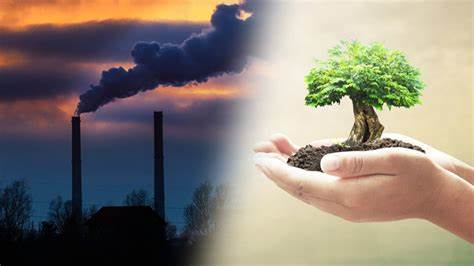
HOW TO COMBAT IT ???????
Combating global warming from fossil fuels requires a comprehensive approach that involves reducing greenhouse gas emissions, transitioning to cleaner energy sources, and implementing adaptation measures to cope with the impacts of climate change. Here are some key strategies:
- Transition to Renewable Energy: Increasing the use of renewable energy sources such as solar, wind, hydroelectric, and geothermal power can significantly reduce greenhouse gas emissions from electricity generation. Governments, businesses, and individuals can support this transition through policies, incentives, and investments in renewable energy infrastructure.
- Energy Efficiency: Improving energy efficiency in buildings, transportation, and industrial processes can reduce energy consumption and greenhouse gas emissions. This includes upgrading to energy-efficient appliances, improving insulation in buildings, and implementing fuel-efficient transportation technologies.
- Carbon Pricing: Implementing carbon pricing mechanisms such as carbon taxes or cap-and-trade systems can provide economic incentives to reduce emissions. By putting a price on carbon, these policies encourage businesses and individuals to invest in cleaner technologies and practices.
- Reforestation and Afforestation: Protecting and restoring forests, and planting new trees, can help absorb CO2 from the atmosphere and mitigate climate change. Forests act as carbon sinks, sequestering carbon dioxide through photosynthesis and storing it in biomass and soil.
- Sustainable Agriculture: Adopting sustainable agricultural practices such as crop rotation, conservation tillage, and agroforestry can reduce emissions from agriculture while enhancing soil health and resilience to climate change. Reducing food waste can also help to lower greenhouse gas emissions associated with food production and distribution.
- Investment in Research and Development: Investing in research and development of clean energy technologies, carbon capture and storage, and climate-resilient infrastructure is essential for accelerating the transition to a low-carbon economy and addressing the challenges of climate change.
- Adaptation Planning: Developing and implementing adaptation strategies to cope with the impacts of climate change, such as sea-level rise, extreme weather events, and changes in precipitation patterns, is crucial for protecting communities and ecosystems. This includes building seawalls, improving water management systems, and enhancing disaster preparedness and response.
- International Cooperation: Addressing climate change requires global cooperation and collaboration. Nations must work together to set ambitious emissions reduction targets, share knowledge and technology, and provide support to developing countries to build climate resilience and adapt to the impacts of climate change.
!!!!!!…… By implementing the strategies collectively and urgently, we can mitigate the worst effects of global warming from fossil fuels and build a more sustainable and resilient future for generations…!!!!!!!!!!
@nandasagec MANISHA NANDAN
PLZ DO LIKE AND SUBSCRIBE TO MY BLOG TO STAY TUNED FOR MORE
HAPPY READING!
 LIVE BY CHOICE NOT BY CHANCE!!!!
Leave a reply to Adarsh G Cancel reply